Important tips for traveling alone and how to read travel warnings to stay safe
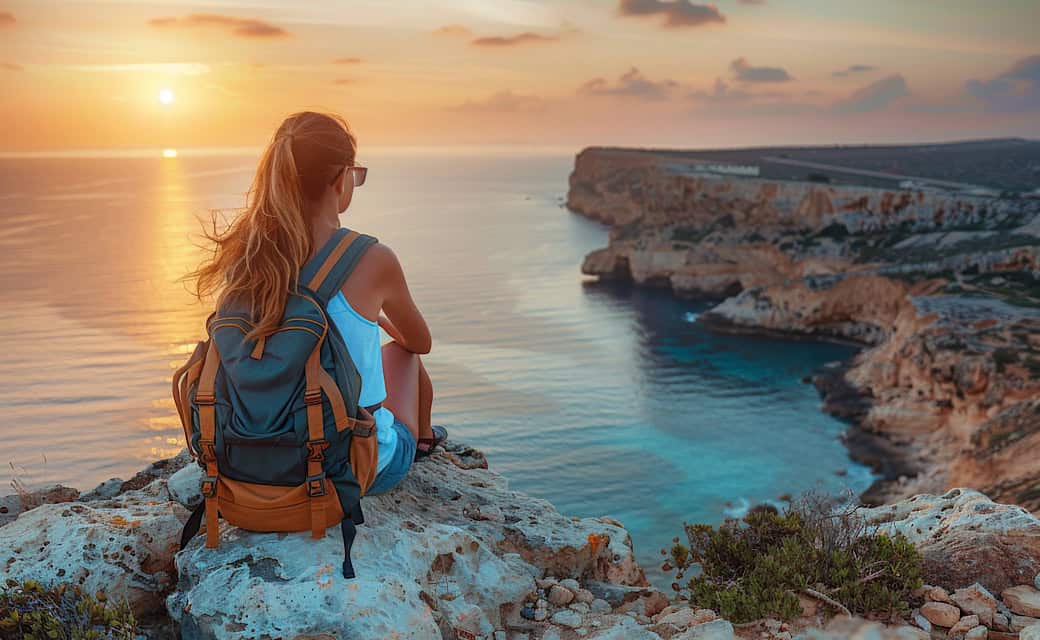
Going on a trip by yourself might be one of the most freeing and fulfilling things you can do. It lets you decide where to travel, what to do, and how to spend your time on your trip. But those who solo travel tips need to be extra careful to stay safe and have the best time on their trips. That’s why it’s just as vital to know the appropriate recommendations for traveling alone and to be aware of any travel advisories before you leave. They all work together to help you plan a safe, fun, and memorable journey by yourself.
The Growth of Traveling Alone
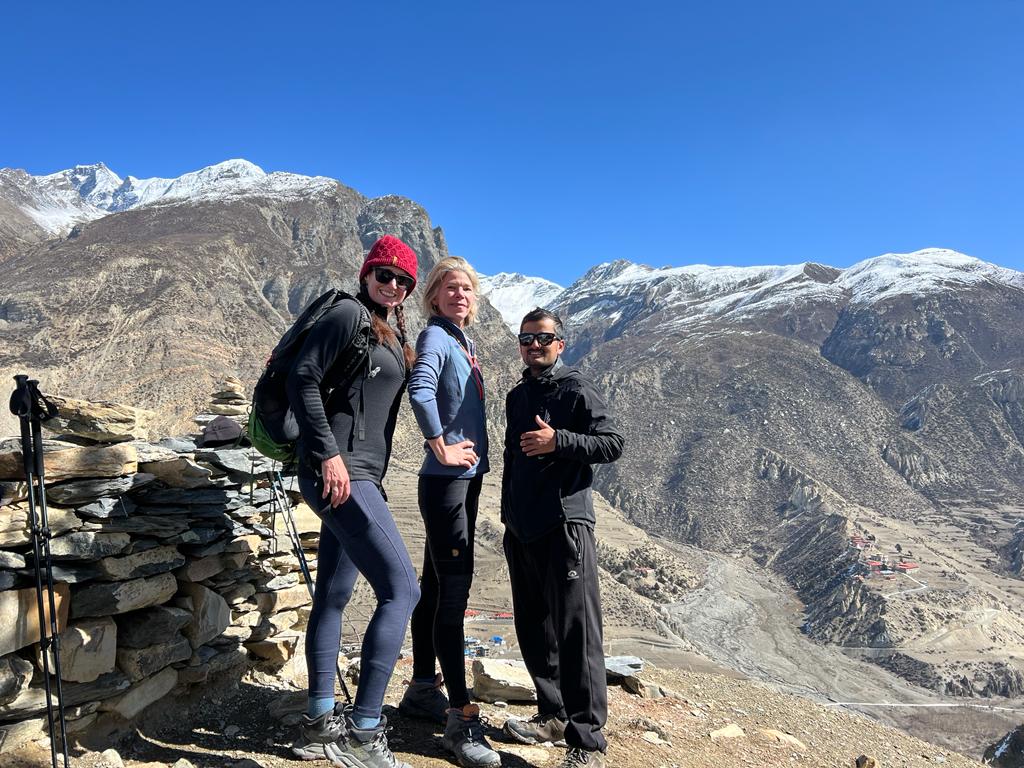
Traveling alone has been popular all around the world in the last few years. More and more people are preferring to travel alone to find themselves, gain freedom, and grow as humans. When you travel alone, you may go at your own pace, meet new people, and really get to know other cultures. Traveling alone provides you freedom and confidence, whether you’re backpacking through Europe, hiking in the mountains, or just relaxing on a tropical beach.
However, those who travel alone have their own problems, like safety worries, feeling lonely, and problems with planning. That’s why it’s important to follow these practical recommendations for traveling alone to have a smooth and fun trip.
Best Tips for Traveling Alone for Every Adventurer
Here are some helpful ideas for traveling alone that can help you be safe, comfortable, and sure of yourself while you’re on your trip:
Make plans, but be ready to change them: Before you leave, do a lot of research about where you’re going. Check out places to stay, local customs, ways to get about, and cultural standards. If you have a flexible agenda, you can explore on the spur of the moment while still being ready.
Tell Friends and Family What You Know: One of the best ideas for traveling alone is to let someone know where you are and what you’re doing. If you’re going to isolated places, make sure to share your plans and check in often.
Be smart and light when you pack: If you travel alone, you are in charge of your things. Only bring what you really need, and select a bag that is light and safe. Always have copies of crucial papers with you, including your ID and passport.
Have faith in your gut: When you’re by yourself, your gut feeling is the greatest thing to follow. If something makes you feel unsafe or uncomfortable, leave. Many recommendations for traveling alone say to trust your gut, because your instincts are usually right.
Be aware of travel warnings: Check for government travel warning or advisories before you go anywhere. These notifications tell tourists about crime rates, health hazards, political upheaval, or natural calamities. Staying up to date on things helps you avoid risk and make better choices.
Learn Some Basic Phrases in the Area: It can make a big difference if you know how to say simple things like “hello,” “thank you,” or “help” in the local language. It’s one of the best recommendations for traveling alone to meet locals and get around in other countries.
Pick Safe Places to Stay: Find hotels, hostels, or rentals that have good reviews and security features. Choose places that are well-lit and stay away from places that are alone, especially if you’re arriving late at night.
Keep your things safe: In many tourist regions, petty thievery happens a lot. Use bags that are hard to steal, lock your zippers, and never leave your valuables alone. When you travel alone, it’s always important to keep your things close and safe.
How to Read Travel Warnings
Travel warnings are official notices from the government that tell people about safety issues in certain nations or areas. These warnings are based on things like threats of terrorism, disease epidemics, natural disasters, or civil upheaval.
Always read the most recent travel warnings from reliable sources before making plans for your trip.
The U.S. Department of State (travel.state.gov)
The UK Foreign Office (gov.uk/foreign-travel-advice)
The Canadian government (travel.gc.ca)
Smart Traveller (smartraveller.gov.au) is Australia’s travel site.
A travel warning doesn’t always imply you can’t go to the nation, but it does help you understand the hazards. For instance, a travel warning can tell you to stay away from certain areas or take certain safety measures, including not traveling at night or in busy places.
Why Travel Warnings Are Important for People Who Travel Alone
It’s important to pay attention to travel advisories while you’re traveling alone because you won’t have anyone to help you in an emergency. These warnings help you find safer ways to get about, better places to stay, and stay on top of what’s going on in the area.
Following travel advisories can aid those who are traveling alone in the following ways:
Being aware of safety helps you stay away from unsafe places or circumstances.
Health Protection: lets you know about illness outbreaks or vaccine requirements.
Emergency Preparation: Tells you who to call in case of an emergency and how to get help from the embassy.
Legal Awareness: Helps you stay out of trouble while you travel by keeping you up to date on local laws, customs, and rules.
Finding a balance between safety and adventure
Following solo travel tips advice doesn’t mean giving up your freedom; it just means being wise about how you travel. The idea is to have fun on your trip without taking any additional risks. Meeting new people is a great thing about traveling alone, but you should always meet in public locations. Also, while it might be exciting to explore the nightlife, it’s important to do so in balance and with caution.
Being careful doesn’t equal being scared. The finest suggestions for traveling alone tell you to push yourself beyond of your comfort zone while keeping aware and knowledgeable.
Last Thoughts
Traveling alone is a powerful way to learn how to be independent, confident, and flexible. It may be safe, satisfying, and life-changing when done with the appropriate planning. You can make sure your trip is safe and fun by following important solo travel recommendations, like preparing ahead and trusting your gut, and by keeping up with the newest travel warnings.